True cost accounting reveals climate impact of food systems


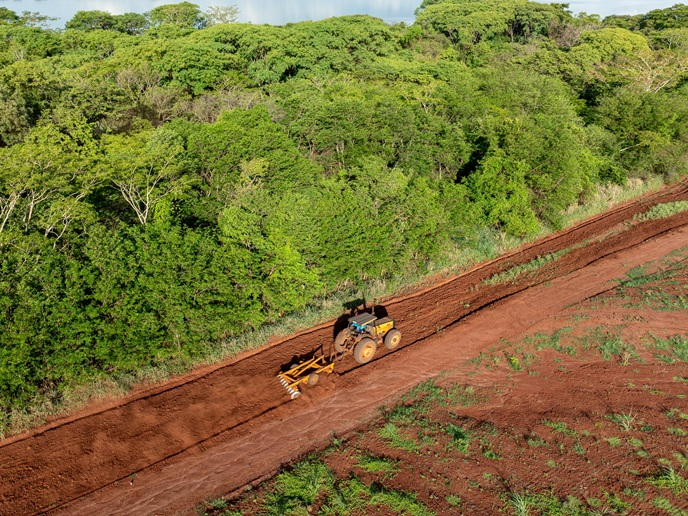
While consumers pay for many of the direct costs associated with food – raw materials, production, transportation – a range of external costs, such as the environmental degradation caused by intensive agriculture and carbon emissions from production, processing and transport, usually remain unaccounted for.
Cost transparency to drive competitiveness
To address this, the FOODCoST(opens in new window) project adopted the concept of true cost accounting to measure and value these ‘external’ costs by putting a monetary value on them. Showing the true cost of production in this way can help businesses and policymakers to make and justify decisions that they might not otherwise make. “This is about creating the right incentives for businesses, and encouraging policymakers to take action,” explains FOODCoST project coordinator Michiel van Galen from Wageningen University & Research(opens in new window) in the Netherlands. Providing such transparency can also give businesses a competitive advantage in markets where consumers increasingly value environmental responsibility. “We have a lot of climate solutions, but don’t install them because we think they are too expensive,” says van Galen. “Knowing the potential negative consequences of climate change for our economies can help add to the sense of urgency.”
Focus on food production and climate resilience
FOODCoST’s harmonised true cost methodology is designed to better calculate a range of external costs, including climate change, biodiversity, social and health impacts. “Climate change was one of the important externalities we looked at,” notes van Galen. “Agriculture is a major contributor to climate change.” In their modelling, his team aimed to capture greenhouse gas emissions and other environmental impacts associated with agriculture, such as deforestation. The project brought together two broad strands of research. The first was the need for true cost accounting at the product level. In cocoa production for example, hidden environmental costs include deforestation and biodiversity loss, which are not reflected in final retail prices. A second strand was the need for true cost accounting at the food system level. A global database(opens in new window) was compiled to catalogue the impacts of production methods and consumer dietary patterns.
Removing barriers to true cost accounting
An evaluation(opens in new window) of policies to internalise uncosted impacts in the food system has already been published by the project. In parallel, the project created a tool to explore the impacts of internalisation efforts(opens in new window), under scenarios such as campaigns to shift consumer behaviour, and increased taxes and regulation. “This shows that a mix of policies is needed,” remarks van Galen. “We can implement restrictive policies (placing bans or limits on certain ingredients for example), but it is very important to also create awareness and transparency, for example through labelling, and incentives for change.” These are outlined in policy recommendations(opens in new window) put forward by the project. Environmental and welfare impacts associated with livestock production could be addressed with the introduction of a harmonised front-of-package label, while reducing pesticide use could be achieved through more stringent regulation and tax incentives. FOODCoST also worked on business models and strategies, and investigated barriers to adoption of true cost accounting. A step-by-step guide to help businesses work on internalising externalities is scheduled for publication.